



What Vitamins and Supplements Should Women Take Daily?
by
CoreStrength Health
03 Sep 2026

What Vitamins and Supplements Should Women Take Daily? Women have different nutritional needs throughout their lives, and getting enough essential vitamins and minerals is an important part of maintaining overall wellness. A balanced diet should be the foundation of good nutrition, but some women may benefit from vitamins or supplements when their diet does not provide enough of certain nutrients.
What Vitamins and Supplements Should Women Take Daily? Common nutrients that women may need include vitamin D, calcium, iron, vitamin B12, folate, magnesium, zinc, and other essential vitamins and minerals. However, the right combination depends on factors such as age, diet, lifestyle, nutritional intake, and individual needs.
For women considering What Vitamins and Supplements Should Women Take Daily?, it is important to avoid assuming that everyone needs the same supplements. For example, women who follow vegetarian or vegan diets may have different nutritional considerations from women who regularly consume animal products. Similarly, nutritional needs can change during different stages of life.
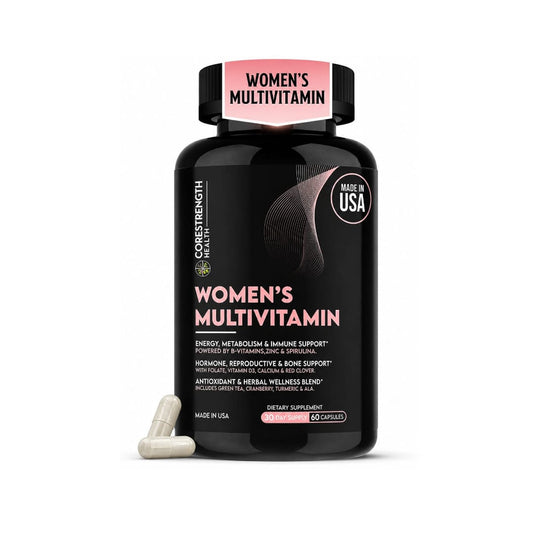
A daily multivitamin can be a convenient option for women who want to complement their nutritional routine. However, supplements should not replace a varied diet containing fruits, vegetables, whole grains, healthy fats, and quality sources of protein. Reading the supplement facts label can also help you understand what nutrients a product provides and how much is included per serving.
When researching What Vitamins and Supplements Should Women Take Daily?, it is also important to consider product quality. Look for clearly labeled ingredients, appropriate serving information, and reputable manufacturing practices. Women should also consider whether a supplement duplicates nutrients they are already receiving from other products.
Ultimately, What Vitamins and Supplements Should Women Take Daily? depends on the individual's nutritional needs. Before starting a new supplement routine, especially when taking medications or managing a specific health concern, it is best to speak with a qualified healthcare professional. Choosing supplements based on actual nutritional needs can help create a more appropriate and informed daily wellness routine.
Disclaimer
This article is intended for educational and informational purposes only and should not be considered medical advice. Dietary supplements are not intended to diagnose, treat, or prevent any disease. Individual nutritional needs vary. Always consult a qualified healthcare professional before starting any new supplement, particularly if you are pregnant, nursing, taking medication, or have a medical condition.